
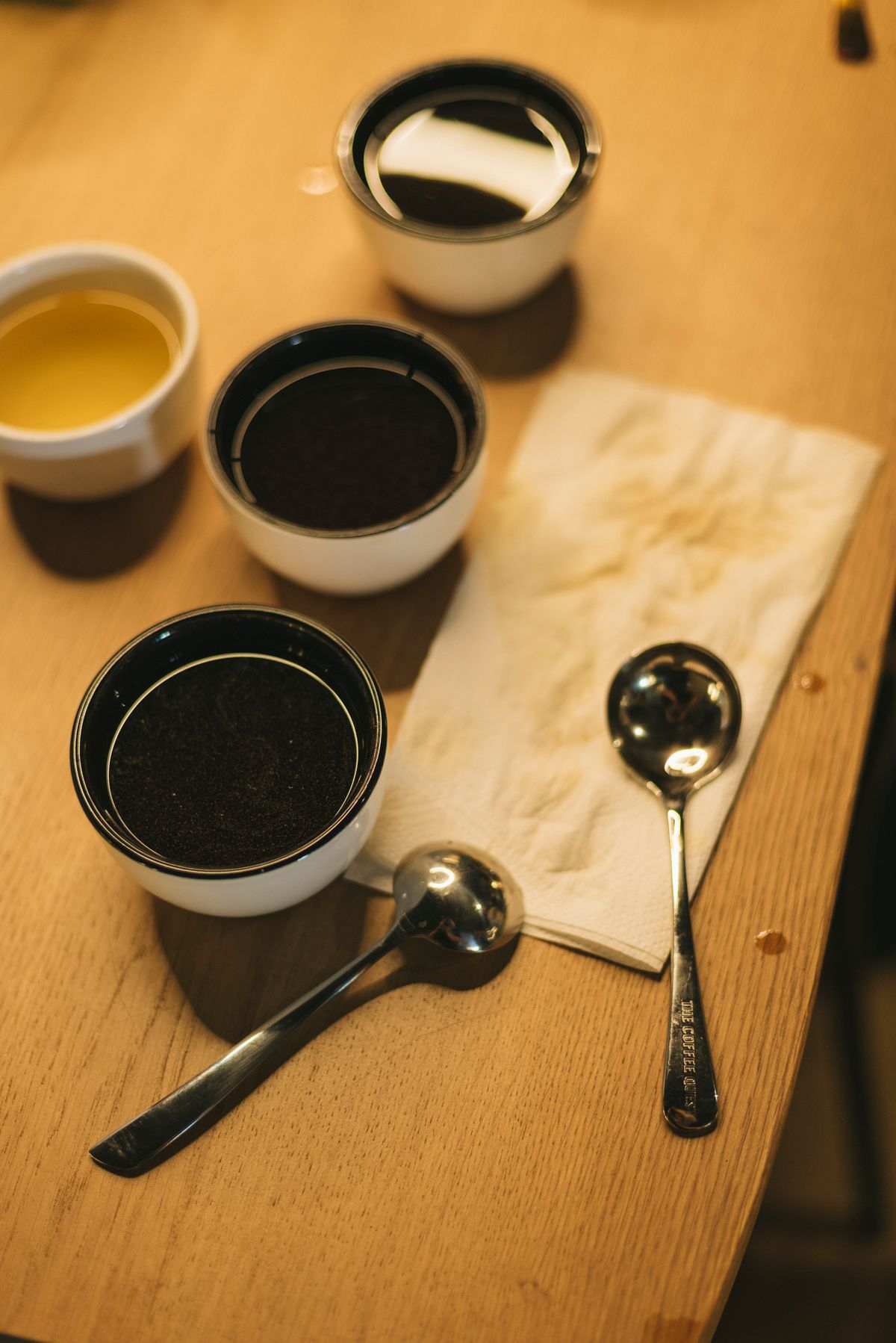
A genuine coffee or tea tasting flight sounds like a specialty-shop luxury, but it’s entirely achievable on a modest budget with a bit of curation. Here are 8 ways to build one worth gifting.
What makes a flight feel premium
The premium feeling of a tasting flight comes from variety and presentation, not from any single expensive ingredient. Three or four distinct, well-sourced samples paired with a bit of context about origin or flavor notes create the same experience as an expensive tasting menu, just assembled at home for a fraction of the cost.
💡 Include a small printed card with tasting notes for each sample. The context is what turns a few bags of coffee into an actual flight experience.
8 ways to build an affordable caffeine flight
1. Variety as the Whole Point: A sampler with distinct origins does more to create a genuine tasting experience than a single larger bag of coffee ever could, giving the recipient an actual point of comparison between regions and roast styles.
Three or four small-batch bags from different growing regions — the anchor of any coffee flight.
2. The Right Brew Method Matters: A drip machine tends to flatten the distinct qualities that make single-origin coffee interesting in the first place, while a simple pour-over method lets those origin-specific notes actually come through clearly.
A simple, affordable pour-over cone that lets each sample be brewed properly rather than through a generic machine.
3. An Easy Substitute for Non-Coffee Drinkers: For someone who prefers tea, a loose-leaf tasting set delivers the same variety-driven flight experience coffee samplers offer, introducing distinct teas they might not seek out individually on their own.
A small collection of distinct loose-leaf teas — an easy way to build a tea-focused flight instead of coffee.
4. Consistency, Not Just Novelty: A scale might seem like an unnecessary add-on, but it’s what actually lets someone replicate a good cup consistently, turning an occasional lucky brew into a repeatable result every time.
A simple, precise scale that improves consistency across every cup brewed afterward.
5. Presentation Mirrors Professional Tastings: Using smaller, matching cups rather than random mismatched mugs makes a home tasting feel closer to an actual professional cupping, adding a layer of ritual to what could otherwise feel like just making coffee.
A small set of matching cups sized for tasting rather than a full mug’s worth — mirrors how professional cuppings are done.
6. A Café Touch at Home: A frother adds the finishing café-style touch that differentiates a home cup from a coffee shop drink, letting someone experiment with how texture changes the perception of different beans.
A simple handheld frother that adds a latte-style finish to any brewed coffee sample.
7. Structure for a Real Tasting: Without some guidance, a tasting flight can feel like just drinking several cups of coffee back to back. Simple reference cards give structure to what to actually notice, turning the experience into something closer to genuine tasting.
Printed cards describing common tasting notes — body, acidity, finish — to guide an actual tasting conversation.
8. Protecting What’s Already Been Sourced: Good coffee loses its distinct qualities quickly once exposed to air, and a proper airtight canister protects the freshness of whatever beans someone has carefully sourced, extending the life of the whole gift.
A proper canister that keeps beans fresh longer — protects the investment in good coffee.
What to avoid
Don’t default to whatever’s cheapest at the grocery store — genuine small-batch sourcing is what makes this gift feel like a flight rather than a coffee run.
Skip anything overly caffeinated as a gift for someone sensitive to caffeine — check preferences first, or lean toward decaf and herbal options if you’re unsure.
Amazon affiliate links — small commission, no extra cost to you.
Leave a Reply